
Joint Health
Morning Joint Stiffness: What Duration and Pattern Can Tell You
Tracking when stiffness appears and how long it lasts gives useful context for joint assessment.

Tracking when stiffness appears and how long it lasts gives useful context for joint assessment.
Why this deserves a structured approach
Time the stiffness rather than estimating later. Note whether movement eases it, whether several joints are involved and whether swelling or general illness is present.
Joint pain is best understood through location, onset, swelling, movement limits and the activities that change it. A knee, hip, shoulder or hand problem may need a different plan, so avoid treating every ache as the same condition. Gradual activity is often useful, but the starting point should match current function and any diagnosis.
A practical plan
- Start the timer when you get out of bed.
- List every joint involved.
- Note whether gentle movement helps.
- Record fever, rash, fatigue or unexplained weight change.
What to track
Record the exact joint, pain pattern, swelling, stiffness duration, recent injury and which movements are limited. Note what you can do, such as stairs, walking distance or reaching overhead, because function is often easier to compare than pain alone.
How to review your plan
Choose one main outcome before you begin, such as symptom frequency, a daily task or a measurement your clinician asked you to follow. Keep the rest of your routine reasonably stable, review the result after a defined period and record unwanted effects. If symptoms worsen, stop the experiment and get advice. A lack of improvement is useful information; it is not a reason to double a dose or push through warning signs.
When to get help
Seek urgent care for a deformed joint, inability to bear weight after injury, a hot red swollen joint with fever, or sudden severe pain. Arrange an assessment for persistent swelling, locking, giving way or steadily declining function.
Questions to bring to an appointment
- Does this pattern suggest inflammation?
- Would blood tests or referral be useful?
- What movement is appropriate before diagnosis?
Keep exploring
Browse more Joint Health guides and use the Read also suggestions below to continue with a related topic.
This guide is for general education. It cannot diagnose a condition or replace care from a qualified health professional.
Products mentioned
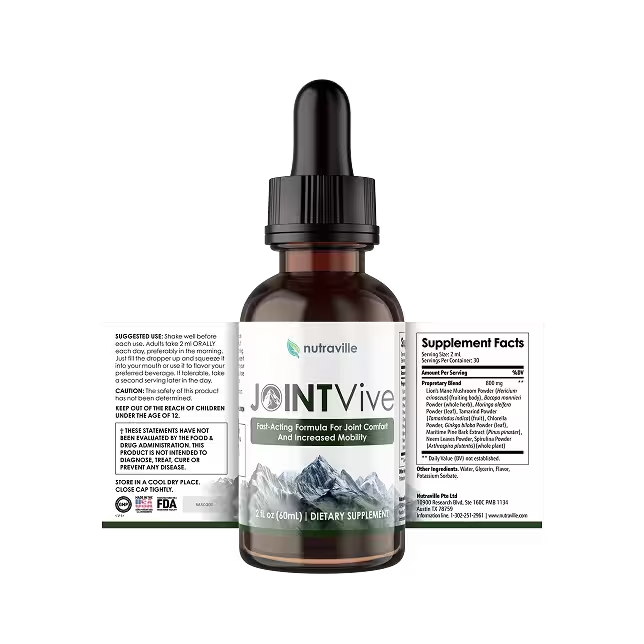
Joint Health
JointVive
A joint-wellness blend with pine bark, tamarind and moringa, designed for adults focused on comfort and flexibility.
View ProductCompare the current seller label, price, terms and suitability before deciding.
Sources
- National Library of Medicine - Knee Examination
- PubMed Central - Exercise Therapy for Knee and Hip Osteoarthritis
Read also

Joint Health
Returning to Activity After a Mild Joint Flare
A staged return can help you test tolerance without jumping directly to your previous workload.
Read guide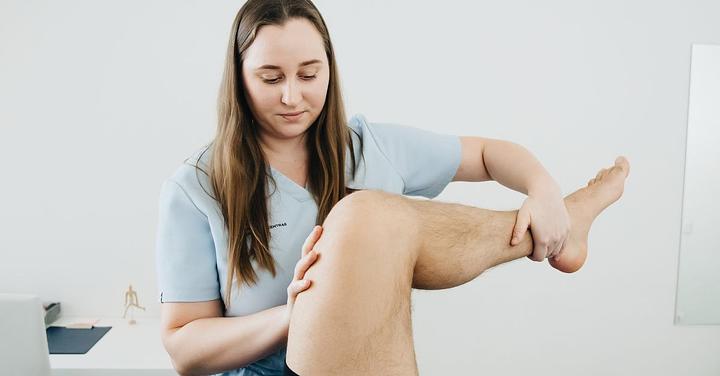
Joint Health
What a Clinician Checks During a Knee Examination
A knee examination compares movement, tenderness, swelling and stability with your history.
Read guide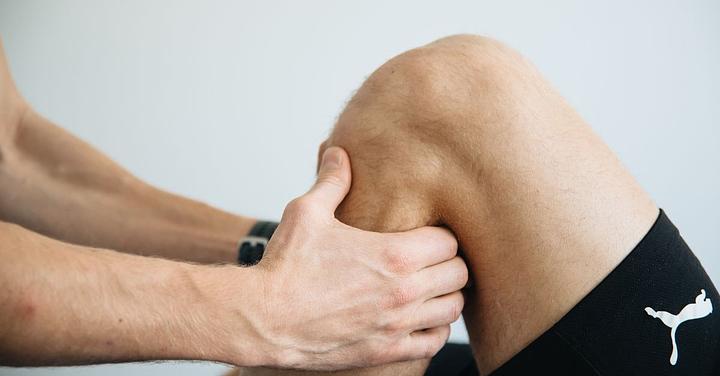
Joint Health
Joint Supplements: Questions to Ask Before You Buy
A label review can prevent duplicate ingredients and keep supplement decisions connected to your diagnosis and medicines.
Read guide