
Joint Health
What a Clinician Checks During a Knee Examination
A knee examination compares movement, tenderness, swelling and stability with your history.
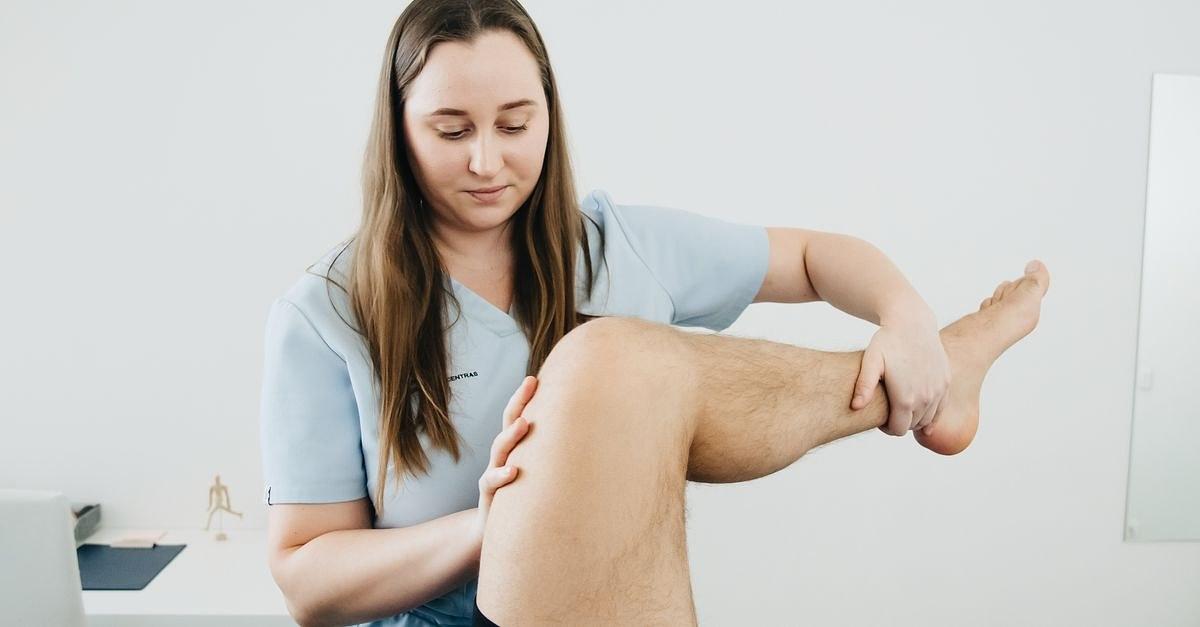
A knee examination compares movement, tenderness, swelling and stability with your history.
Why this deserves a structured approach
The examination may include watching you walk, checking range of motion, feeling specific structures and using maneuvers that stress ligaments or the meniscus. No single maneuver answers every question.
Joint pain is best understood through location, onset, swelling, movement limits and the activities that change it. A knee, hip, shoulder or hand problem may need a different plan, so avoid treating every ache as the same condition. Gradual activity is often useful, but the starting point should match current function and any diagnosis.
A practical plan
- Wear clothing that allows the knee to be examined.
- Explain the exact mechanism if there was an injury.
- Mention locking, catching and instability.
- Ask what each finding means for the next step.
What to track
Record the exact joint, pain pattern, swelling, stiffness duration, recent injury and which movements are limited. Note what you can do, such as stairs, walking distance or reaching overhead, because function is often easier to compare than pain alone.
How to review your plan
Choose one main outcome before you begin, such as symptom frequency, a daily task or a measurement your clinician asked you to follow. Keep the rest of your routine reasonably stable, review the result after a defined period and record unwanted effects. If symptoms worsen, stop the experiment and get advice. A lack of improvement is useful information; it is not a reason to double a dose or push through warning signs.
When to get help
Seek urgent care for a deformed joint, inability to bear weight after injury, a hot red swollen joint with fever, or sudden severe pain. Arrange an assessment for persistent swelling, locking, giving way or steadily declining function.
Questions to bring to an appointment
- Which structures seem involved?
- What would imaging add?
- What function should improve first?
Keep exploring
Browse more Joint Health guides and use the Read also suggestions below to continue with a related topic.
This guide is for general education. It cannot diagnose a condition or replace care from a qualified health professional.
Products mentioned
Joint Health
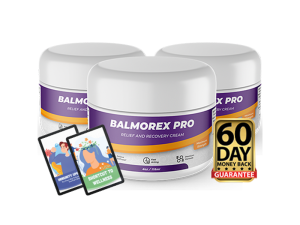
Balmorex Pro
A topical joint-and-muscle cream with MSM, arnica and frankincense, plus moisturizing aloe and shea butter.
View ProductCompare the current seller label, price, terms and suitability before deciding.
Sources
- National Library of Medicine - Knee Examination
- PubMed Central - Exercise Therapy for Knee and Hip Osteoarthritis
Read also
Joint Health
Joint Supplements: Questions to Ask Before You Buy
A label review can prevent duplicate ingredients and keep supplement decisions connected to your diagnosis and medicines.
Read guide
Joint Health
Knee Pain Notes That Make an Appointment More Useful
Specific notes about location, swelling and function help a clinician narrow the causes of knee pain.
Read guide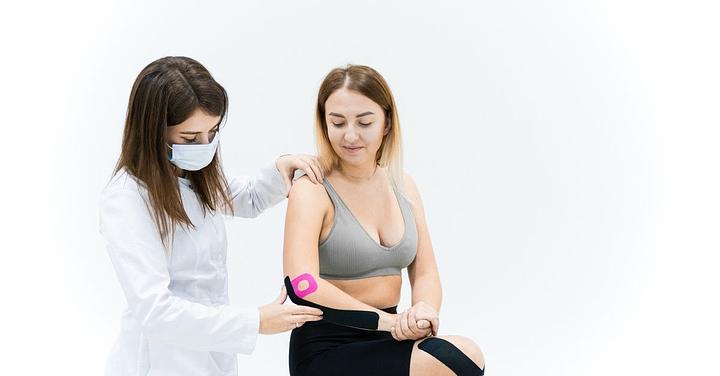
Joint Health
Returning to Activity After a Mild Joint Flare
A staged return can help you test tolerance without jumping directly to your previous workload.
Read guide