
Muscle and Mobility
A Mobility Baseline You Can Measure at Home
Simple functional observations can show where strength, balance or endurance limits daily life.

Simple functional observations can show where strength, balance or endurance limits daily life.
Why this deserves a structured approach
Choose tasks you already perform safely. The goal is to establish a baseline, not to push to exhaustion or compete with a generic standard.
Mobility depends on strength, balance, endurance, joint movement and confidence. A useful program begins with current function, progresses gradually and includes recovery. Pain, neurological symptoms or repeated falls change the plan and may require professional assessment.
A practical plan
- Record comfortable walking duration.
- Count controlled chair rises only if safe.
- Note stair use and need for support.
- Repeat under the same conditions each week.
What to track
Choose a few functional markers such as comfortable walking time, chair rises, stairs or carrying groceries. Test them no more than weekly under similar conditions and record symptoms during the following day.
How to review your plan
Choose one main outcome before you begin, such as symptom frequency, a daily task or a measurement your clinician asked you to follow. Keep the rest of your routine reasonably stable, review the result after a defined period and record unwanted effects. If symptoms worsen, stop the experiment and get advice. A lack of improvement is useful information; it is not a reason to double a dose or push through warning signs.
When to get help
Seek urgent care for sudden weakness, loss of coordination, new bowel or bladder problems with back pain, or inability to bear weight after injury. Repeated falls, progressive weakness or persistent pain need assessment.
Questions to bring to an appointment
- Which limitation should we address first?
- Would physical therapy be appropriate?
- Are any tests unsafe for me?
Keep exploring
Browse more Muscle and Mobility guides and use the Read also suggestions below to continue with a related topic.
This guide is for general education. It cannot diagnose a condition or replace care from a qualified health professional.
Products mentioned
Muscle and Mobility
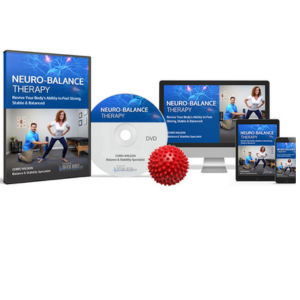
Neuro-Balance Therapy
An at-home balance exercise program with guided DVD instruction and a textured ball for foot-focused routines.
View ProductCompare the current seller label, price, terms and suitability before deciding.
Sources
- National Institute on Aging - Four Types of Exercise Can Improve Your Health and Physical Ability
- Centers for Disease Control and Prevention - Adult Activity: An Overview
Read also
Muscle and Mobility
Starting Strength Work After a Long Break
A low starting dose and gradual progression can rebuild consistency without an all-or-nothing restart.
Read guide
Muscle and Mobility
Balance Practice: Make It Challenging Without Making It Risky
Balance work should be difficult enough to train but set up to prevent a fall.
Read guide
Muscle and Mobility
What to Bring to a Physical Therapy Evaluation
Clear goals and a brief symptom history help a therapist connect movement findings to daily needs.
Read guide