
Weight Loss
Walking for Weight Management: Start With Consistency
A walking routine supports health and energy expenditure when the dose is realistic enough to repeat.

A walking routine supports health and energy expenditure when the dose is realistic enough to repeat.
Why this deserves a structured approach
Use current ability as the baseline and build gradually. Activity supports health even when the scale changes slowly.
Body weight is influenced by food intake, activity, sleep, medicines, health conditions and environment. A sustainable plan focuses on repeatable behaviors and health markers rather than rapid changes. The right target and pace depend on the individual, especially when diabetes, heart disease, eating disorders or weight-affecting medicines are involved.
A practical plan
- Schedule short walks on specific days.
- Increase total time gradually.
- Add strength work when appropriate.
- Track function and consistency, not calories alone.
What to track
Use the same scale under similar conditions no more often than is helpful, and look at the trend rather than one reading. Track one or two behaviors such as meals prepared, walking minutes or sugary drinks instead of recording everything indefinitely.
How to review your plan
Choose one main outcome before you begin, such as symptom frequency, a daily task or a measurement your clinician asked you to follow. Keep the rest of your routine reasonably stable, review the result after a defined period and record unwanted effects. If symptoms worsen, stop the experiment and get advice. A lack of improvement is useful information; it is not a reason to double a dose or push through warning signs.
When to get help
Seek medical advice for unintentional weight loss, rapid unexplained change, swelling, severe restriction, bingeing or purging. Anyone with an eating disorder history should use a plan designed with qualified care.
Questions to bring to an appointment
- What activity is safe for my joints and heart?
- How should strength training fit?
- What symptoms should stop exercise?
Keep exploring
Browse more Weight Loss guides and use the Read also suggestions below to continue with a related topic.
This guide is for general education. It cannot diagnose a condition or replace care from a qualified health professional.
Products mentioned

Weight Loss
Java Burn
A coffee add-in with chlorogenic acid, green tea and chromium for a simple daily weight-management routine.
View ProductCompare the current seller label, price, terms and suitability before deciding.
Sources
- Centers for Disease Control and Prevention - Physical Activity and Your Weight and Health
- Centers for Disease Control and Prevention - Tips for Keeping Weight Off
Read also

Weight Loss
Weight-Loss Supplements: A Safer Evaluation Checklist
Marketing claims should be separated from the exact ingredient, dose, interaction and evidence.
Read guide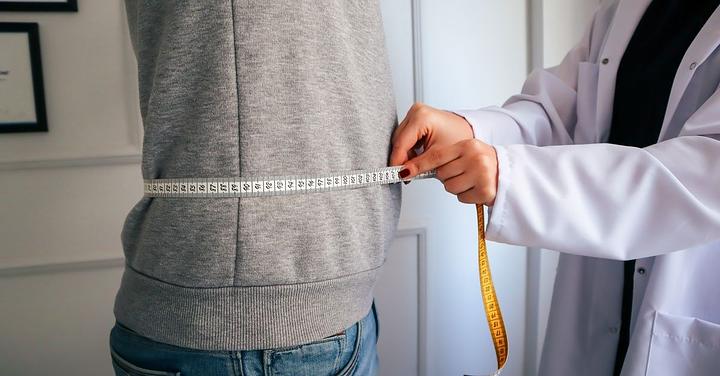
Weight Loss
Preparing for a Medical Weight-Management Visit
A history of weight change, prior attempts, medicines and goals helps a visit move beyond generic advice.
Read guide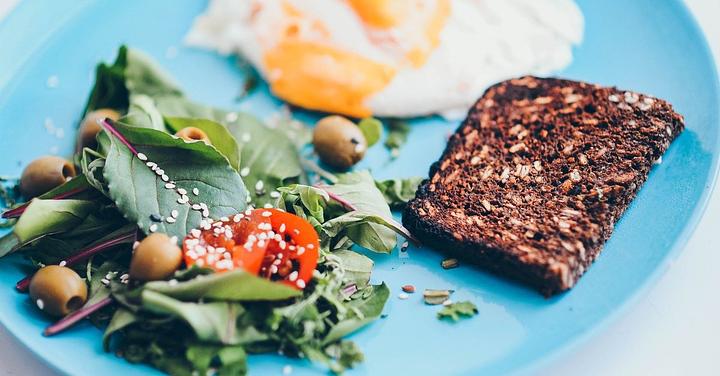
Weight Loss
Build One Balanced Meal You Can Repeat
A repeatable meal structure can reduce decision fatigue while keeping food variety.
Read guide