Eyesight
UV and Eye Protection: Choosing Coverage That Fits
Sunglasses and brimmed hats can reduce ultraviolet exposure when lenses provide proper coverage.
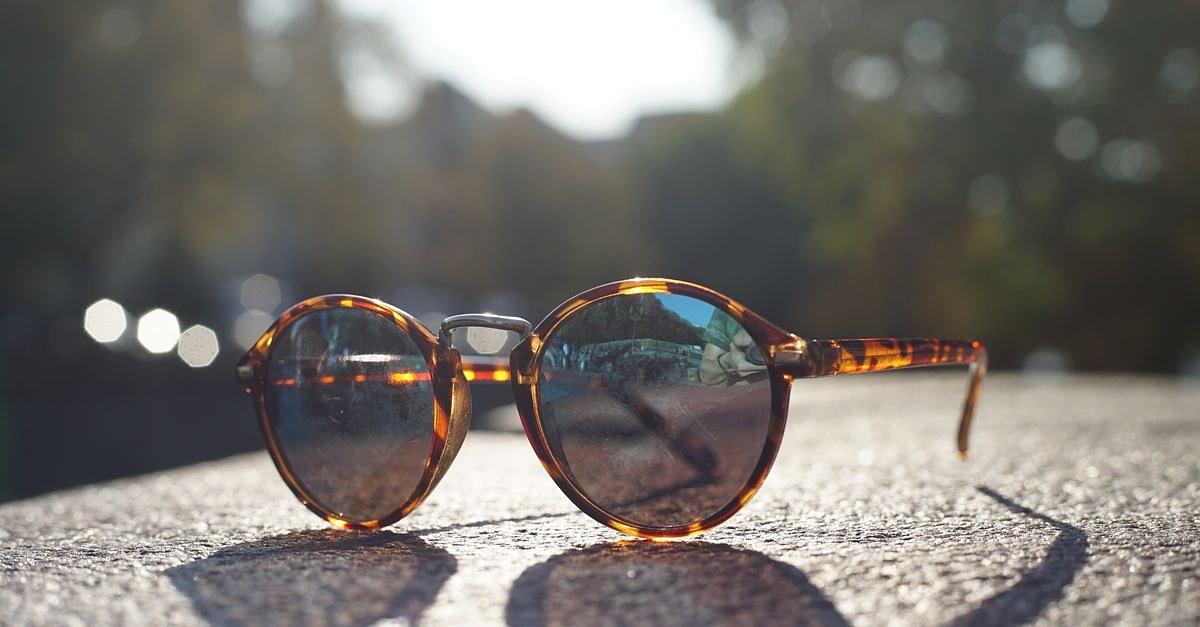
Sunglasses and brimmed hats can reduce ultraviolet exposure when lenses provide proper coverage.
Why this deserves a structured approach
Darkness alone does not prove UV protection. Look for clear UV labeling and a frame that covers the eyes comfortably enough to wear consistently.
Good eye care includes routine examinations, protection from injury and ultraviolet exposure, and attention to sudden symptoms. A vision chart measures part of vision, while a comprehensive exam can evaluate focusing, eye pressure, retina and other structures according to need.
A practical plan
- Check for UVA and UVB protection.
- Choose a secure comfortable fit.
- Add a brimmed hat for more coverage.
- Use task-specific safety eyewear for work and sport.
What to track
Record whether a change affects one or both eyes, began suddenly or gradually, and involves blur, distortion, flashes, floaters, pain, redness or missing areas of vision. Note diabetes, blood pressure, eye injuries and family history.
How to review your plan
Choose one main outcome before you begin, such as symptom frequency, a daily task or a measurement your clinician asked you to follow. Keep the rest of your routine reasonably stable, review the result after a defined period and record unwanted effects. If symptoms worsen, stop the experiment and get advice. A lack of improvement is useful information; it is not a reason to double a dose or push through warning signs.
When to get help
Seek urgent eye care for sudden vision loss, a curtain or shadow, many new flashes or floaters, chemical exposure, eye injury, or severe pain with nausea. Do not wait for a routine appointment when vision changes suddenly.
Questions to bring to an appointment
- Does my work require rated safety eyewear?
- Are my medicines increasing light sensitivity?
- What protection is appropriate after eye treatment?
Keep exploring
Browse more Eyesight guides and use the Read also suggestions below to continue with a related topic.
This guide is for general education. It cannot diagnose a condition or replace care from a qualified health professional.
Products mentioned
Eyesight
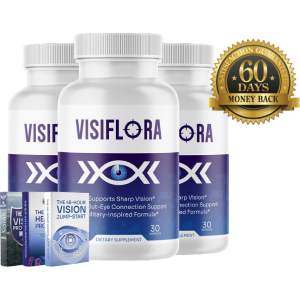
VisiFlora
Vision-support capsules combining astaxanthin, vitamins C and E, and botanical extracts in an eye-and-gut wellness formula.
View ProductCompare the current seller label, price, terms and suitability before deciding.
Sources
- National Eye Institute - Keep Your Eyes Healthy
- National Eye Institute - AREDS and AREDS2 Frequently Asked Questions
Read also
Eyesight
New Flashes and Floaters: When Timing Matters
A sudden increase in flashes or floaters can require urgent retinal assessment, especially with a shadow or vision loss.
Read guide
Eyesight
Eye Supplements: Who the AREDS2 Formula Was Studied For
AREDS2 supplements were studied for specific stages of age-related macular degeneration, not as a general eye-health multivitamin.
Read guide
Eyesight
Screen-Related Eye Discomfort: Breaks, Blinking and Setup
Dryness and focusing strain during close work can improve when you change the work pattern and environment.
Read guide