
Heart Health
Understanding a Cholesterol Panel Without Reading One Number Alone
LDL, HDL, triglycerides and overall risk are interpreted together rather than as isolated grades.
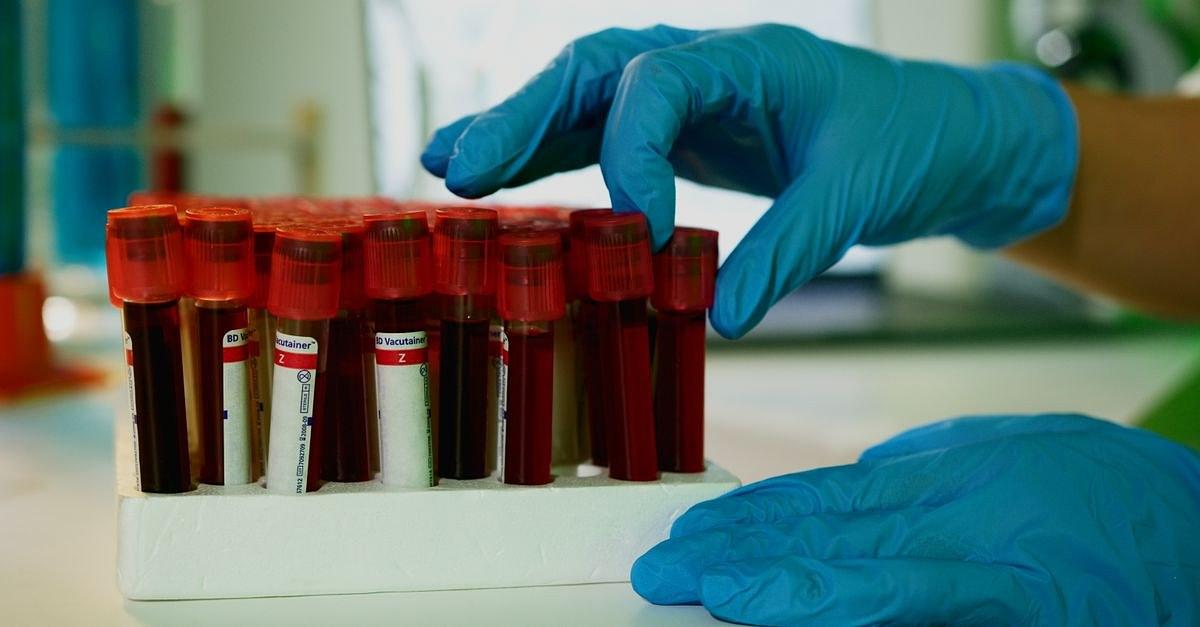
LDL, HDL, triglycerides and overall risk are interpreted together rather than as isolated grades.
Why this deserves a structured approach
Ask how the results fit your age, blood pressure, smoking status, diabetes, family history and prior cardiovascular disease. The same laboratory value can lead to different decisions in different people.
Heart risk is assessed from more than one number. Blood pressure, cholesterol, blood sugar, smoking, activity, family history, sleep and existing conditions all matter. Home measurements can improve the picture when the device and technique are reliable, but they should be reviewed with a clinician.
A practical plan
- Keep a copy of the full report.
- Compare results with prior tests.
- Review fasting instructions when relevant.
- Ask how the result changes your risk plan.
What to track
Record home blood pressure only with a validated upper-arm monitor, correct cuff size and consistent technique. Keep laboratory reports together and note medicine changes, symptoms and family history so trends can be interpreted accurately.
How to review your plan
Choose one main outcome before you begin, such as symptom frequency, a daily task or a measurement your clinician asked you to follow. Keep the rest of your routine reasonably stable, review the result after a defined period and record unwanted effects. If symptoms worsen, stop the experiment and get advice. A lack of improvement is useful information; it is not a reason to double a dose or push through warning signs.
When to get help
Call emergency services for chest pressure, severe shortness of breath, fainting, sudden weakness, or pain spreading to the arm, back, neck or jaw. Do not use a blog or home monitor to rule out an emergency.
Questions to bring to an appointment
- Which value most affects my decision?
- Do I need treatment, lifestyle changes or both?
- When should the panel be repeated?
Keep exploring
Browse more Heart Health guides and use the Read also suggestions below to continue with a related topic.
This guide is for general education. It cannot diagnose a condition or replace care from a qualified health professional.
Products mentioned

Heart Health
Cardio Shield
An Apollo Research cardiovascular-support supplement with hawthorn, olive leaf, green tea and garlic.
View ProductCompare the current seller label, price, terms and suitability before deciding.
Sources
- American Heart Association - Physical Activity as First-Line Treatment for Elevated Blood Pressure or Cholesterol
- American Heart Association - Understanding Cholesterol and Lipids
Read also

Heart Health
A Walking Plan for Heart Health That Starts at Your Level
A gradual walking plan can build consistency while respecting symptoms and current fitness.
Read guide
Heart Health
Family Heart History: Build a Useful Record
A family history is most useful when it includes the condition and approximate age at diagnosis.
Read guide
Heart Health
Preparing for a Cardiovascular Risk Review
Bring measurements, laboratory results, medicines and priorities to make a prevention visit more concrete.
Read guide