
Energy
Tired, Sleepy or Weak? Describe Low Energy More Clearly
Separating sleepiness, fatigue and weakness helps you communicate what is actually limiting your day.

Separating sleepiness, fatigue and weakness helps you communicate what is actually limiting your day.
Why this deserves a structured approach
Sleepiness is a tendency to fall asleep, fatigue is a lack of physical or mental energy, and weakness is reduced strength. People may have more than one, but naming the dominant problem makes a health review more focused.
Low energy is a symptom rather than a diagnosis. Sleep loss, stress, nutrition, anemia, infection, thyroid problems, mood conditions, medicines and many other factors can contribute. Avoid assuming that a stimulant or supplement is the answer before the pattern and accompanying symptoms are understood.
A practical plan
- Use one sentence to describe the limiting sensation.
- Note the time of day it is strongest.
- Record related breathlessness, pain or low mood.
- List new medicines, illnesses and schedule changes.
What to track
For two weeks, record energy at consistent times, sleep, meals, activity, illness symptoms, stress and medicine changes. Note whether fatigue means sleepiness, muscle weakness, breathlessness, low motivation or difficulty concentrating because those descriptions lead to different questions.
How to review your plan
Choose one main outcome before you begin, such as symptom frequency, a daily task or a measurement your clinician asked you to follow. Keep the rest of your routine reasonably stable, review the result after a defined period and record unwanted effects. If symptoms worsen, stop the experiment and get advice. A lack of improvement is useful information; it is not a reason to double a dose or push through warning signs.
When to get help
Seek prompt care for fatigue with chest pain, fainting, severe breathlessness, black or bloody stool, new neurological symptoms or rapidly worsening weakness. Persistent fatigue, unexplained weight change or symptoms that disrupt normal activity deserve assessment.
Questions to bring to an appointment
- Which causes fit this pattern?
- Do I need laboratory testing?
- What change should I test while we investigate?
Keep exploring
Browse more Energy guides and use the Read also suggestions below to continue with a related topic.
This guide is for general education. It cannot diagnose a condition or replace care from a qualified health professional.
Products mentioned
Weight Loss
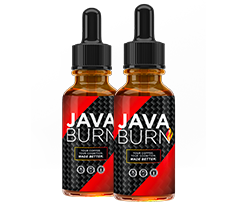
Java Burn
A coffee add-in with chlorogenic acid, green tea and chromium for a simple daily weight-management routine.
View ProductCompare the current seller label, price, terms and suitability before deciding.
Sources
- National Heart, Lung, and Blood Institute - Iron-Deficiency Anemia
- National Institutes of Health Office of Dietary Supplements - Iron Fact Sheet for Consumers
Read also

Energy
A Two-Week Energy Log That Goes Beyond a 1-to-10 Score
Context around energy changes is more useful than a single rating.
Read guide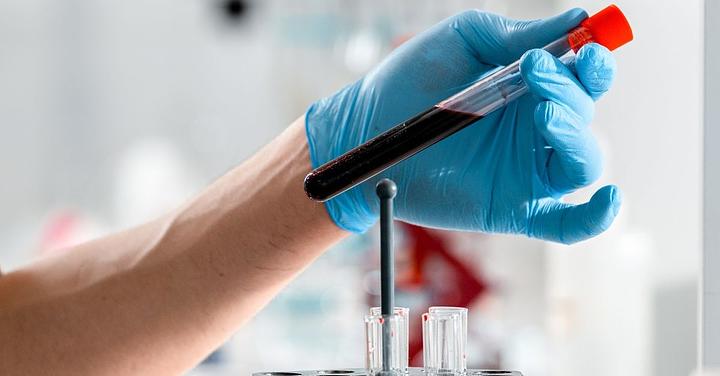
Energy
Iron Supplements and Fatigue: Test Before You Guess
Iron can help iron deficiency, but unnecessary iron can cause harm and delay finding the real cause of fatigue.
Read guide
Energy
Preparing for a Fatigue Appointment: What to Bring
A concise symptom timeline and complete medicine list help a clinician decide which causes and tests matter.
Read guide