Healthy Aging
Strength, Balance and Endurance: A Weekly Aging-Well Plan
A balanced movement week includes more than walking alone.

A balanced movement week includes more than walking alone.
Why this deserves a structured approach
Combine aerobic activity, muscle strengthening, balance and flexibility at a level that matches current health and ability. Build gradually and ask for guidance after illness, surgery or repeated falls.
Healthy aging is not one supplement or laboratory value. It involves function, movement, food, sleep, social connection, preventive care, medicines, hearing, vision and planning for changing needs. Priorities should reflect the person's conditions, values and daily life.
A practical plan
- Schedule walking or another aerobic activity.
- Train major muscle groups on separate days.
- Practice balance near stable support.
- Include recovery and symptom monitoring.
What to track
Review a small set of meaningful measures: walking and balance, ability to manage daily tasks, weight trend, blood pressure when indicated, medicine list, sleep and social activity. Changes in function often matter more than an isolated score.
How to review your plan
Choose one main outcome before you begin, such as symptom frequency, a daily task or a measurement your clinician asked you to follow. Keep the rest of your routine reasonably stable, review the result after a defined period and record unwanted effects. If symptoms worsen, stop the experiment and get advice. A lack of improvement is useful information; it is not a reason to double a dose or push through warning signs.
When to get help
Seek urgent care for sudden confusion, weakness, chest pain, severe breathlessness or a serious fall. New difficulty with daily tasks, repeated falls, unexplained weight loss or medication problems deserve timely assessment.
Questions to bring to an appointment
- Which activities are safe for me?
- Would supervised therapy help?
- How should I progress after illness?
Keep exploring
Browse more Healthy Aging guides and use the Read also suggestions below to continue with a related topic.
This guide is for general education. It cannot diagnose a condition or replace care from a qualified health professional.
Products mentioned

Healthy Aging
Longevity Activator
Zenith Labs healthy-aging capsules with EGCG, fisetin and resveratrol, plus a blend of botanical ingredients.
View ProductCompare the current seller label, price, terms and suitability before deciding.
Sources
- National Institute on Aging - Healthy Aging
- National Institute on Aging - Taking Medicines Safely as You Age
Read also

Healthy Aging
Planning for a Better Medical Appointment as You Age
A short agenda, medicine list and support person can improve complex appointments.
Read guide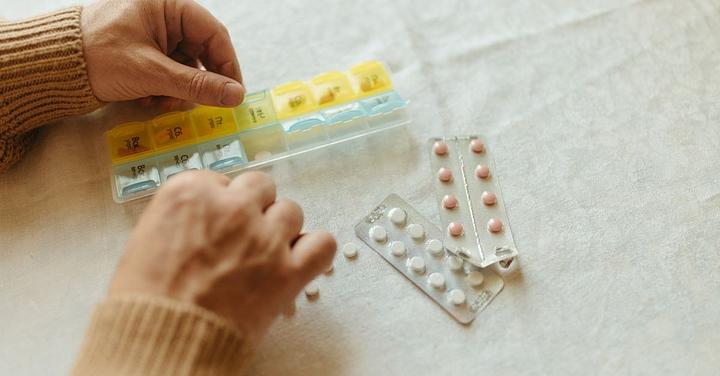
Healthy Aging
Supplements in Later Life: Review Need, Dose and Burden
Age does not make every supplement necessary, and multiple products can add cost, interactions and excessive doses.
Read guide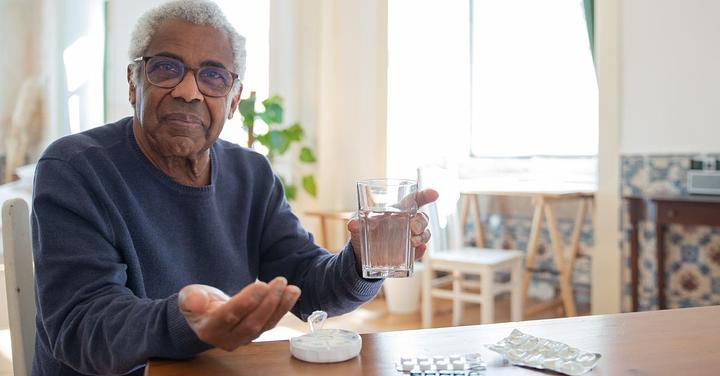
Healthy Aging
A Complete Medicine List That Prevents Duplicate Treatment
One current list should include prescriptions, over-the-counter products, vitamins and as-needed medicines.
Read guide