
Sleep
Snoring, Gasping and Daytime Sleepiness: What to Record
Snoring becomes more useful information when it is paired with breathing symptoms and daytime effects.
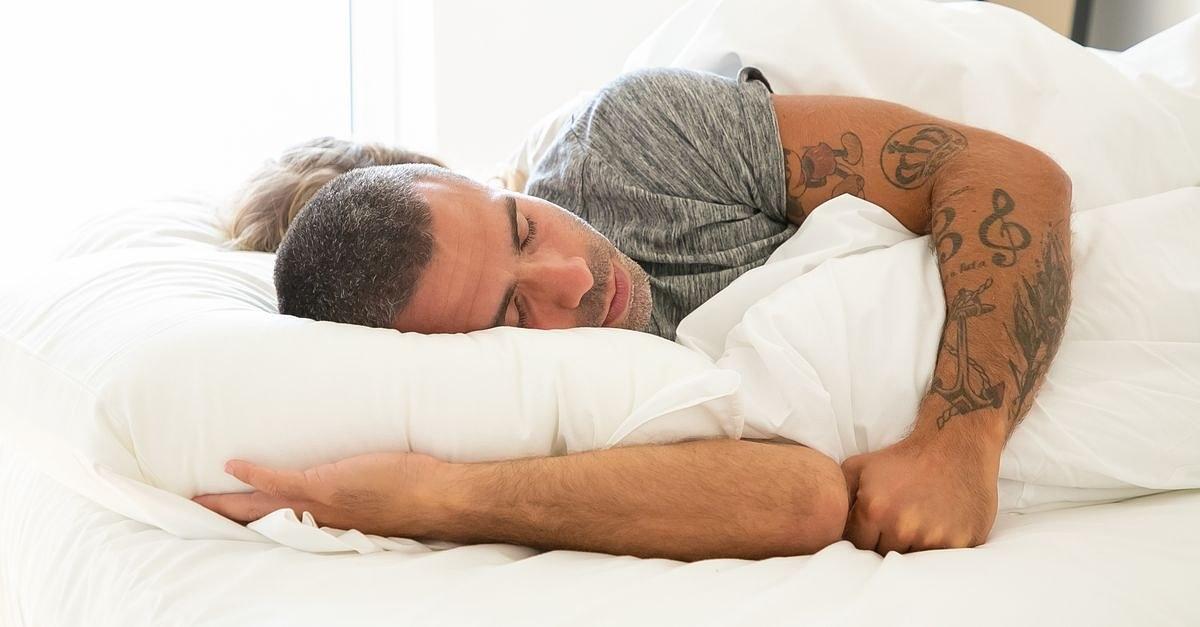
Snoring becomes more useful information when it is paired with breathing symptoms and daytime effects.
Why this deserves a structured approach
Snoring alone does not establish sleep apnea. Record witnessed pauses, gasping, morning headaches, dry mouth, nighttime urination and unintended daytime sleep so a clinician can assess the complete pattern.
Sleep quality is shaped by schedule, light, substances, health conditions and the sleep environment. A useful first step is to keep wake time reasonably consistent, give yourself enough time in bed and observe what happens rather than trying several remedies at once. Loud snoring, repeated breathing pauses, gasping or persistent daytime sleepiness deserve medical attention because they can point to a sleep disorder.
A practical plan
- Ask a bed partner what they observe without trying to diagnose it.
- Record how often you wake gasping or short of breath.
- Note sleepy driving, work errors or unplanned naps.
- Bring the record and current medicine list to an appointment.
What to track
For two weeks, note bedtime, estimated sleep time, wake time, awakenings, caffeine and alcohol timing, naps and next-day alertness. A short record gives a clinician more useful context than a single difficult night.
How to review your plan
Choose one main outcome before you begin, such as symptom frequency, a daily task or a measurement your clinician asked you to follow. Keep the rest of your routine reasonably stable, review the result after a defined period and record unwanted effects. If symptoms worsen, stop the experiment and get advice. A lack of improvement is useful information; it is not a reason to double a dose or push through warning signs.
When to get help
Seek prompt medical advice for breathing pauses, waking with chest pain or severe shortness of breath, falling asleep while driving, or sleepiness that makes work unsafe. New insomnia that persists or follows a medication change also deserves review.
Questions to bring to an appointment
- Do these symptoms suggest formal sleep testing?
- Would home or laboratory testing fit my situation?
- What should I do while waiting for evaluation?
Keep exploring
Browse more Sleep guides and use the Read also suggestions below to continue with a related topic.
This guide is for general education. It cannot diagnose a condition or replace care from a qualified health professional.
Products mentioned

Sleep
Renew
A nighttime capsule blend with melatonin, L-theanine and magnesium for a sleep-focused evening routine.
View ProductCompare the current seller label, price, terms and suitability before deciding.
Sources
- Centers for Disease Control and Prevention - About Sleep
- National Heart, Lung, and Blood Institute - Sleep Apnea Treatment
Read also

Sleep
Caffeine Timing for Better Sleep Without Guesswork
Moving caffeine earlier is a practical experiment when falling asleep or staying asleep is difficult.
Read guide
Sleep
A Wind-Down Routine You Can Repeat on Busy Nights
A short repeatable routine can reduce late-evening stimulation and make bedtime more predictable.
Read guide
Sleep
Preparing for a Sleep Evaluation: Records, Questions and Tests
Good preparation helps a sleep appointment focus on symptoms, risk factors and the right testing path.
Read guide