
Memory and Focus
Preparing for a Cognitive Health Appointment
A timeline, medicine list and examples from daily life help a cognitive assessment stay grounded.

A timeline, medicine list and examples from daily life help a cognitive assessment stay grounded.
Why this deserves a structured approach
Bring a trusted person if you are comfortable. Collect information about mood, sleep, alcohol, injuries, family history and changes in finances, driving, cooking or work.
Memory and focus can change with sleep, stress, mood, hearing, vision, medicines, substance use and medical conditions. Occasional lapses are not diagnosed from an online checklist. The important question is whether a change is new, progressive or interfering with everyday tasks.
A practical plan
- Write a timeline of the change.
- Bring every medicine and supplement.
- List daily tasks that changed.
- Collect prior test results and relevant history.
What to track
Record concrete examples with dates: missed bills, repeated questions, lost routes or work errors. Note sleep, mood, illness and medicine changes, and ask a trusted person what they have observed.
How to review your plan
Choose one main outcome before you begin, such as symptom frequency, a daily task or a measurement your clinician asked you to follow. Keep the rest of your routine reasonably stable, review the result after a defined period and record unwanted effects. If symptoms worsen, stop the experiment and get advice. A lack of improvement is useful information; it is not a reason to double a dose or push through warning signs.
When to get help
Call emergency services for sudden confusion, trouble speaking, one-sided weakness, severe headache or loss of consciousness. Arrange an assessment for progressive memory change, unsafe mistakes, personality change or difficulty managing daily tasks.
Questions to bring to an appointment
- What conditions are being considered?
- Which tests evaluate reversible causes?
- How should safety and follow-up be handled?
Keep exploring
Browse more Memory and Focus guides and use the Read also suggestions below to continue with a related topic.
This guide is for general education. It cannot diagnose a condition or replace care from a qualified health professional.
Products mentioned
Memory and Focus
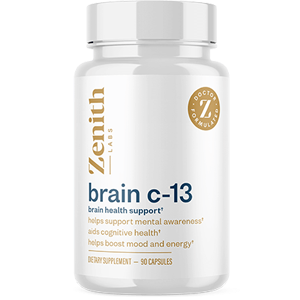
Brain C-13
Zenith Labs brain-support capsules featuring saffron and huperzine A for memory and cognitive-wellness routines.
View ProductCompare the current seller label, price, terms and suitability before deciding.
Sources
- National Institute on Aging - Cognitive Health and Older Adults
- National Institute on Aging - Taking Medicines Safely as You Age
Read also

Memory and Focus
Memory Lapses: Record Examples, Not Labels
Concrete examples and their effect on daily life are more useful than describing memory as simply good or bad.
Read guide
Memory and Focus
Focus Problems at Work: Build a Two-Week Context Log
A short log can show whether concentration changes with task type, sleep, interruptions or time of day.
Read guide
Memory and Focus
Sleep, Hearing and Vision: Three Checks When Focus Changes
Poor sleep and reduced sensory input can make memory and concentration tasks harder.
Read guide