
Hearing Health
Noise Exposure: Build a Practical Hearing-Protection Plan
Distance, exposure time and correctly fitted protection all matter around loud sound.
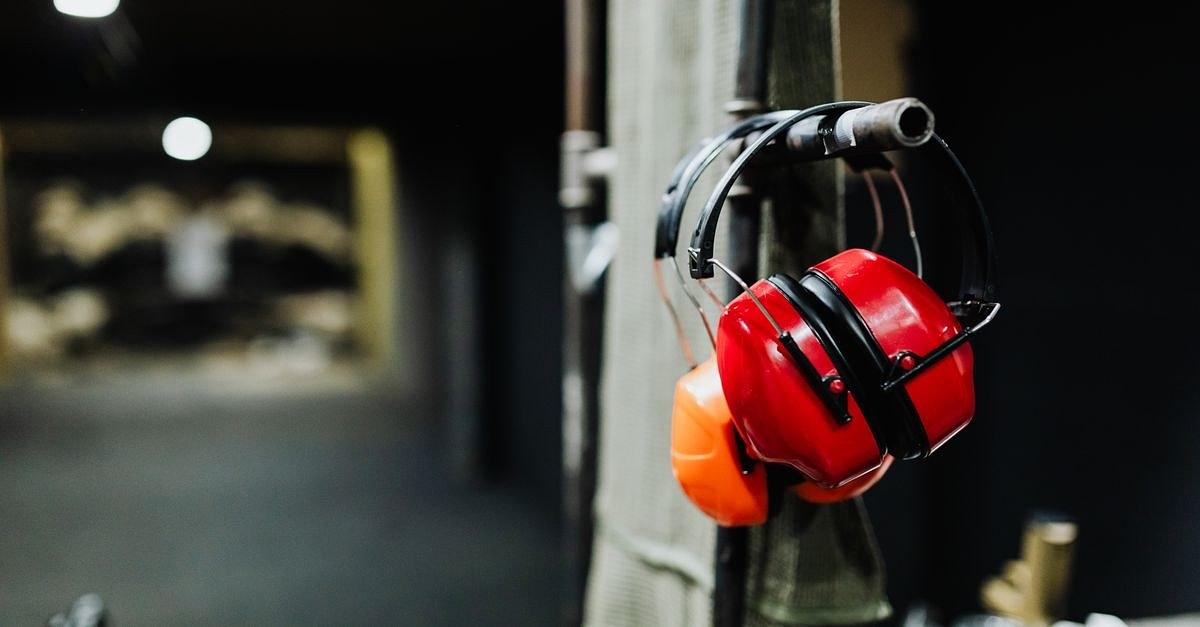
Distance, exposure time and correctly fitted protection all matter around loud sound.
Why this deserves a structured approach
Identify the noisiest tasks and choose protection that can be worn correctly every time. More attenuation is not always better if it prevents communication or consistent use.
Hearing changes can be gradual and may first appear as difficulty following conversation in noise. Noise exposure, wax, infection, medicines and inner-ear conditions are among the possible contributors. A hearing test defines the pattern more reliably than turning volume higher.
A practical plan
- List tools, venues and tasks with loud sound.
- Reduce time and increase distance where possible.
- Learn the correct fit for plugs or muffs.
- Keep protection where exposure occurs.
What to track
Record whether the change affects one or both ears, is sudden or gradual, and includes ringing, pressure, pain, drainage or dizziness. Add workplace, music, tool and firearm noise exposure and the protection used.
How to review your plan
Choose one main outcome before you begin, such as symptom frequency, a daily task or a measurement your clinician asked you to follow. Keep the rest of your routine reasonably stable, review the result after a defined period and record unwanted effects. If symptoms worsen, stop the experiment and get advice. A lack of improvement is useful information; it is not a reason to double a dose or push through warning signs.
When to get help
Sudden hearing loss in one or both ears needs urgent medical assessment. Severe dizziness, neurological symptoms, ear injury, drainage or intense pain also warrant prompt care.
Questions to bring to an appointment
- Which protector fits this noise and task?
- Do I need baseline hearing tests at work?
- How often should protection fit be checked?
Keep exploring
Browse more Hearing Health guides and use the Read also suggestions below to continue with a related topic.
This guide is for general education. It cannot diagnose a condition or replace care from a qualified health professional.
Products mentioned
Hearing Health
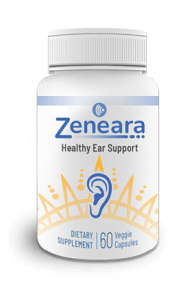
Zeneara
Ear-wellness capsules with ginkgo, zinc and vitamin B6, plus passionflower and a probiotic blend.
View ProductCompare the current seller label, price, terms and suitability before deciding.
Sources
- National Institute on Deafness and Other Communication Disorders - Noise-Induced Hearing Loss
- National Institute on Deafness and Other Communication Disorders - Hearing Protectors
Read also
Hearing Health
Ringing in the Ears: What to Record Before an Appointment
Tinnitus notes should include side, timing, sound quality, hearing change and associated symptoms.
Read guide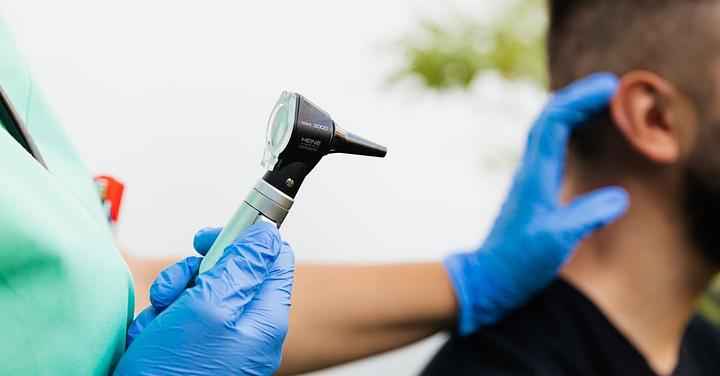
Hearing Health
What Happens During an Adult Hearing Evaluation
A hearing evaluation combines history, ear examination and tests of tones and speech.
Read guide
Hearing Health
Hearing Devices: Compare Fit, Support and Follow-Up
The useful device is the one matched to hearing needs, daily situations and ongoing support.
Read guide