
Blood Sugar Support
Blood Sugar Supplements: Check Evidence, Dose and Interactions
Supplements can interact with glucose-lowering medicines and may not match the evidence suggested by marketing.

Supplements can interact with glucose-lowering medicines and may not match the evidence suggested by marketing.
Why this deserves a structured approach
Bring the exact label to a clinician or pharmacist. Avoid combining several products that lower glucose without a monitoring and safety plan.
Blood sugar tests answer different questions. A1C estimates an average over time, while fasting and glucose-tolerance tests measure glucose under defined conditions. Results need clinical interpretation because anemia, kidney disease, pregnancy, medicines and other factors can affect testing or targets.
A practical plan
- List every ingredient and amount.
- Check duplicates and proprietary blends.
- Review low-blood-sugar risk with medicines.
- Define what result would justify continuing.
What to track
If a clinician asks for home monitoring, record the value, time, relation to meals, medicine, activity and symptoms. Do not test randomly without knowing how the result will be used.
How to review your plan
Choose one main outcome before you begin, such as symptom frequency, a daily task or a measurement your clinician asked you to follow. Keep the rest of your routine reasonably stable, review the result after a defined period and record unwanted effects. If symptoms worsen, stop the experiment and get advice. A lack of improvement is useful information; it is not a reason to double a dose or push through warning signs.
When to get help
Seek urgent care for severe confusion, fainting, difficulty breathing, persistent vomiting or signs of serious dehydration. Very high or low readings with symptoms should be handled according to your clinical care plan.
Questions to bring to an appointment
- Could this cause low blood sugar?
- Does it interact with my medicines?
- What evidence supports this exact dose?
Keep exploring
Browse more Blood Sugar Support guides and use the Read also suggestions below to continue with a related topic.
This guide is for general education. It cannot diagnose a condition or replace care from a qualified health professional.
Products mentioned
Blood Sugar Support
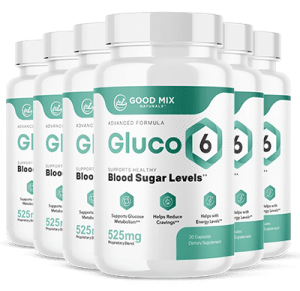
Gluco6
A six-ingredient metabolic-support supplement with Sukre, chromium, gymnema and cinnamon for blood-sugar wellness.
View ProductCompare the current seller label, price, terms and suitability before deciding.
Sources
- National Institute of Diabetes and Digestive and Kidney Diseases - The A1C Test and Diabetes
- National Institute of Diabetes and Digestive and Kidney Diseases - Recommended Tests for Identifying Prediabetes
Read also
Blood Sugar Support
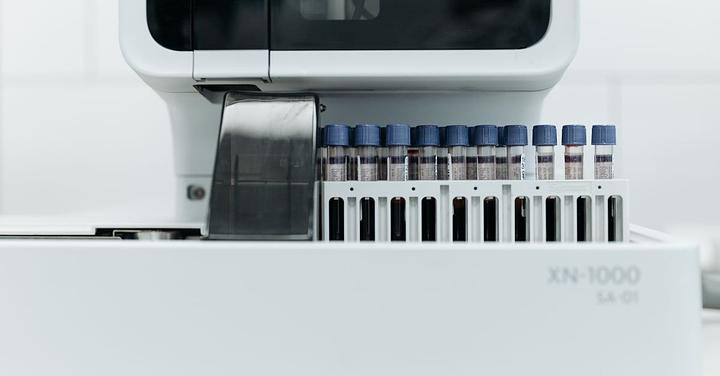
A1C, Fasting Glucose and Home Readings: Different Questions
Understanding what each blood sugar test measures prevents false comparisons.
Read guide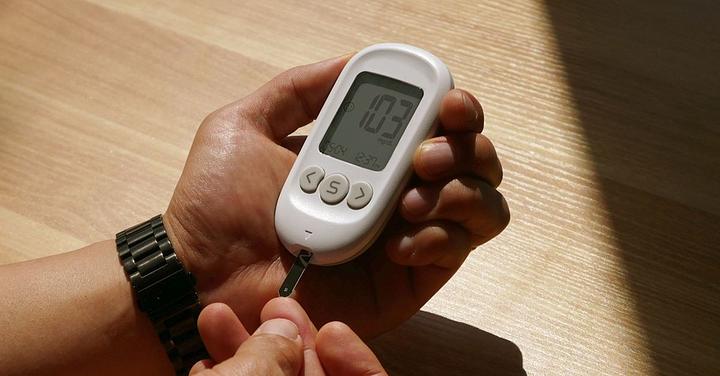
Blood Sugar Support
Home Glucose Records That Help a Clinician
Timing and context turn a meter value into information that can guide decisions.
Read guide
Blood Sugar Support
Food Labels and Added Sugar: A Practical Comparison
Serving size, total carbohydrate and added sugar provide more context than front-label claims.
Read guide