
Prostate Health
A Three-Day Bladder Diary for Urinary Symptoms
A short bladder diary gives a clearer picture of frequency, urgency, fluid timing and nighttime urination.

A short bladder diary gives a clearer picture of frequency, urgency, fluid timing and nighttime urination.
Why this deserves a structured approach
Record normal days rather than changing your habits for the diary. The aim is to show the relationship between drinking, urinary symptoms and sleep.
Urinary symptoms can have several causes and do not identify a prostate condition by themselves. Useful details include stream strength, urgency, frequency, nighttime urination, pain, blood and whether the bladder feels empty. Screening decisions are separate from evaluating active symptoms and should be discussed using age, history, risk and personal preferences.
A practical plan
- Record the time and amount of drinks.
- Log every bathroom trip and urgency episode.
- Note leakage, weak stream and incomplete emptying.
- Include three representative days.
What to track
Keep a three-day bladder record with drink timing, trips to the bathroom, urgency, leakage and nighttime waking. List cold remedies, antihistamines, diuretics and supplements because some products can change urinary symptoms.
How to review your plan
Choose one main outcome before you begin, such as symptom frequency, a daily task or a measurement your clinician asked you to follow. Keep the rest of your routine reasonably stable, review the result after a defined period and record unwanted effects. If symptoms worsen, stop the experiment and get advice. A lack of improvement is useful information; it is not a reason to double a dose or push through warning signs.
When to get help
Seek urgent care if you cannot urinate, have fever with painful urination, see significant blood in urine, or develop severe back or lower abdominal pain. New or worsening urinary symptoms deserve clinical assessment rather than self-treatment alone.
Questions to bring to an appointment
- What pattern does the diary show?
- Could medicines be contributing?
- Do I need urine, bladder or prostate tests?
Keep exploring
Browse more Prostate Health guides and use the Read also suggestions below to continue with a related topic.
This guide is for general education. It cannot diagnose a condition or replace care from a qualified health professional.
Products mentioned
Prostate Health
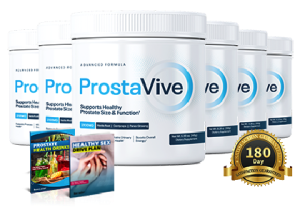
ProstaVive
A daily prostate-support powder combining boron, nettle root and botanicals, mixed into water or your preferred beverage.
View ProductCompare the current seller label, price, terms and suitability before deciding.
Sources
- National Institute of Diabetes and Digestive and Kidney Diseases - Prostate Problems
- National Institute of Diabetes and Digestive and Kidney Diseases - Prostate Tests
Read also

Prostate Health
Weak Stream and Nighttime Urination: What to Tell a Clinician
Details about onset, progression and associated symptoms help separate possible causes of urinary change.
Read guide
Prostate Health
PSA Testing: Questions for a Shared Decision
PSA is a blood test that needs context because higher values can have more than one cause.
Read guide
Prostate Health
Prostate Supplements: Read the Label Before the Claims
A structured label review helps you check dose, duplication, interactions and the limits of the evidence.
Read guide