
Gut Health
A Digestive Symptom Diary That Does Not Blame Every Meal
A structured diary can reveal repeatable patterns without creating an unnecessarily restrictive diet.

A structured diary can reveal repeatable patterns without creating an unnecessarily restrictive diet.
Why this deserves a structured approach
Record symptoms and context consistently, then review the whole period. A food eaten before one episode is not automatically the cause.
Bloating, heartburn, abdominal pain and bowel changes have many possible causes. Useful evaluation starts with the exact symptom, its timing, stool pattern, food and medicine context, and warning signs. Restrictive diets can create nutritional gaps, so make one measured change at a time and seek guidance for persistent symptoms.
A practical plan
- Log meal time and main ingredients.
- Record symptom onset and duration.
- Use a standard stool description.
- Review patterns after two weeks.
What to track
Use a two-week symptom record with meals, symptom timing, stool form, urgency, pain location and medicines. Avoid labeling every food as a trigger after a single episode; look for repeatable patterns.
How to review your plan
Choose one main outcome before you begin, such as symptom frequency, a daily task or a measurement your clinician asked you to follow. Keep the rest of your routine reasonably stable, review the result after a defined period and record unwanted effects. If symptoms worsen, stop the experiment and get advice. A lack of improvement is useful information; it is not a reason to double a dose or push through warning signs.
When to get help
Seek prompt medical care for vomiting blood, black or bloody stool, severe or worsening abdominal pain, persistent vomiting, dehydration, jaundice, trouble swallowing or unexplained weight loss. New persistent bowel changes also need assessment.
Questions to bring to an appointment
- Which patterns are clinically meaningful?
- Do I need testing before changing diet?
- Would a dietitian help?
Keep exploring
Browse more Gut Health guides and use the Read also suggestions below to continue with a related topic.
This guide is for general education. It cannot diagnose a condition or replace care from a qualified health professional.
Products mentioned
Gut Health
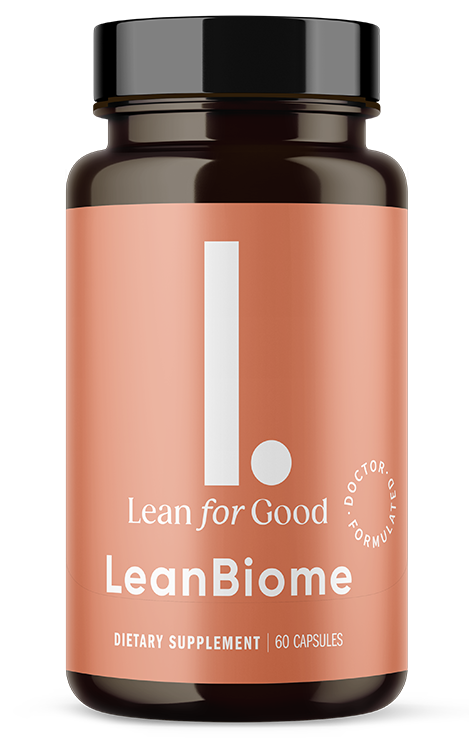
LeanBiome (Biome)
Lean for Good probiotic capsules with Lactobacillus strains and green tea extract for gut health and weight-management support.
View ProductCompare the current seller label, price, terms and suitability before deciding.
Sources
- National Institute of Diabetes and Digestive and Kidney Diseases - Eating, Diet, and Nutrition for Irritable Bowel Syndrome
- National Institute of Diabetes and Digestive and Kidney Diseases - Symptoms and Causes of GER and GERD
Read also

Gut Health
Heartburn Patterns: Timing, Triggers and Warning Signs
The timing of burning, regurgitation and swallowing symptoms helps guide reflux assessment.
Read guide
Gut Health
Constipation: What Frequency Alone Does Not Tell You
Stool consistency, straining and incomplete emptying can matter as much as the number of bowel movements.
Read guide
Gut Health
Preparing for a Gastroenterology Appointment
A concise symptom timeline, stool record and complete medicine list help a digestive health visit.
Read guide