
Nerve Health
A Daily Foot Check When Sensation Is Reduced
Reduced sensation can allow small injuries to go unnoticed, so a short daily check is practical prevention.
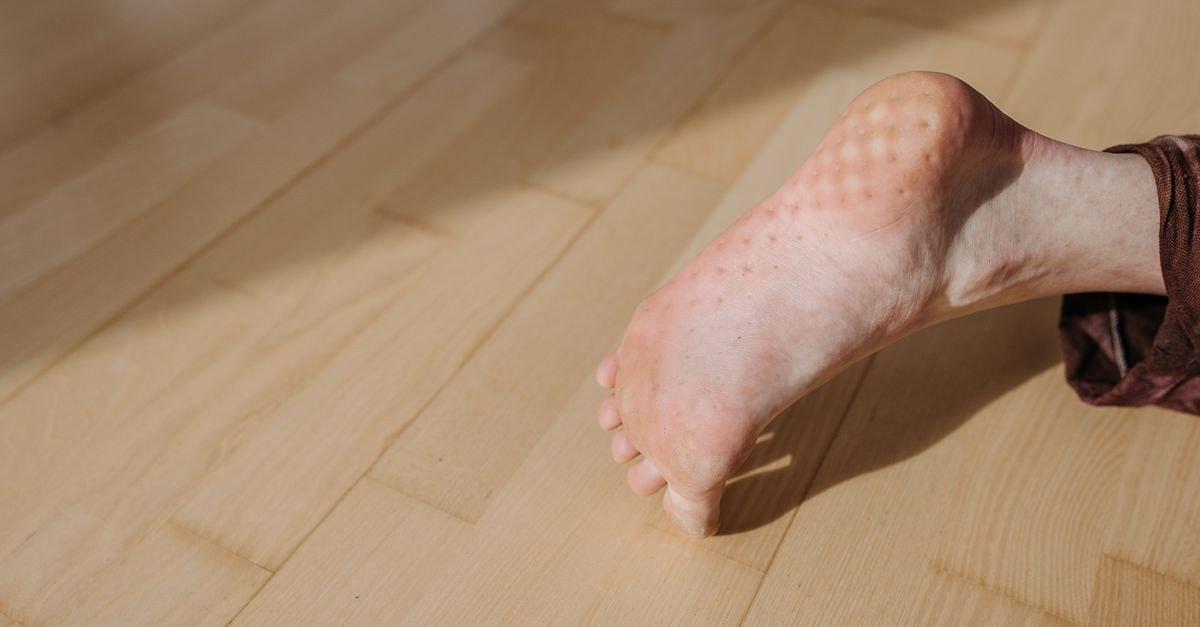
Reduced sensation can allow small injuries to go unnoticed, so a short daily check is practical prevention.
Why this deserves a structured approach
Inspect the skin, spaces between toes and footwear. Use a mirror or help from another person if needed, and avoid testing sensation with sharp or hot objects.
Tingling, numbness, burning or weakness can arise from nerves, muscles, joints, blood flow or other conditions. The location, symmetry, progression and associated weakness help guide evaluation. Supplements should not replace testing for diabetes, vitamin deficiency, medicine effects or other causes.
A practical plan
- Check for cuts, blisters, redness and swelling.
- Inspect inside shoes before wearing them.
- Wash and dry feet carefully.
- Report wounds that are not healing.
What to track
Use a body outline to mark symptoms and record whether they are constant, intermittent or triggered by position. Add balance, grip, foot injuries, back or neck pain and medicine changes.
How to review your plan
Choose one main outcome before you begin, such as symptom frequency, a daily task or a measurement your clinician asked you to follow. Keep the rest of your routine reasonably stable, review the result after a defined period and record unwanted effects. If symptoms worsen, stop the experiment and get advice. A lack of improvement is useful information; it is not a reason to double a dose or push through warning signs.
When to get help
Call emergency services for sudden one-sided numbness or weakness, trouble speaking, facial droop or loss of coordination. Urgent assessment is also needed for rapidly progressive weakness, breathing trouble, or new bowel or bladder symptoms with back pain.
Questions to bring to an appointment
- How often should professional foot checks occur?
- What footwear is appropriate?
- Which wound signs need same-day care?
Keep exploring
Browse more Nerve Health guides and use the Read also suggestions below to continue with a related topic.
This guide is for general education. It cannot diagnose a condition or replace care from a qualified health professional.
Products mentioned
Nerve Health
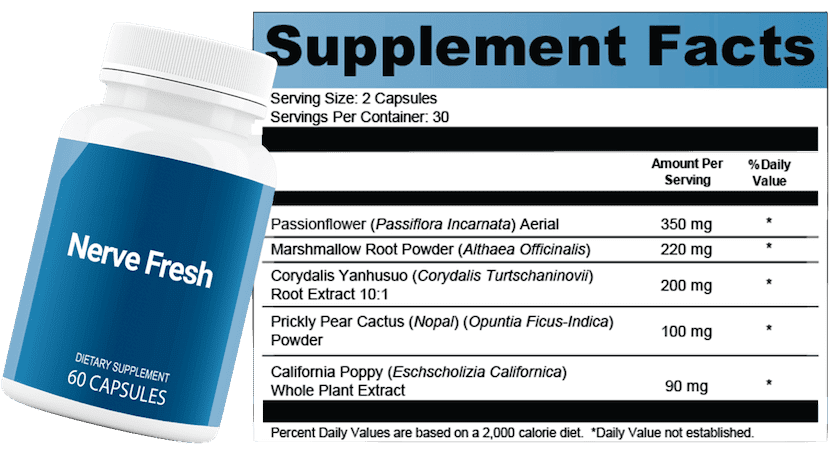
Nerve Fresh
Botanical nerve-wellness capsules with passionflower, marshmallow root, corydalis and California poppy.
View ProductCompare the current seller label, price, terms and suitability before deciding.
Sources
- National Institute of Neurological Disorders and Stroke - Peripheral Neuropathy
- National Institute of Diabetes and Digestive and Kidney Diseases - Diabetic Neuropathies
Read also
Nerve Health
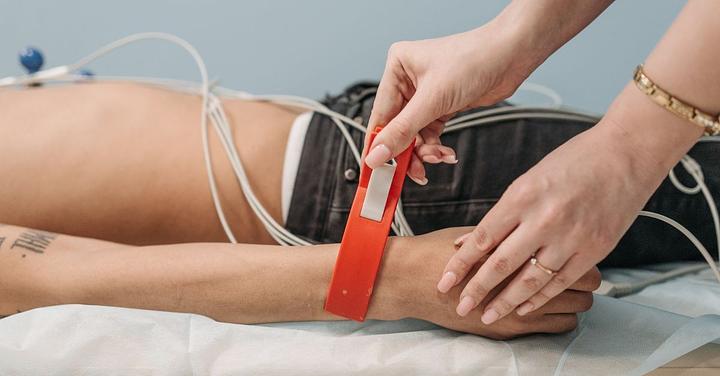
What Nerve Conduction Tests Can and Cannot Answer
Nerve conduction and muscle tests provide specific information but are interpreted with history and examination.
Read guide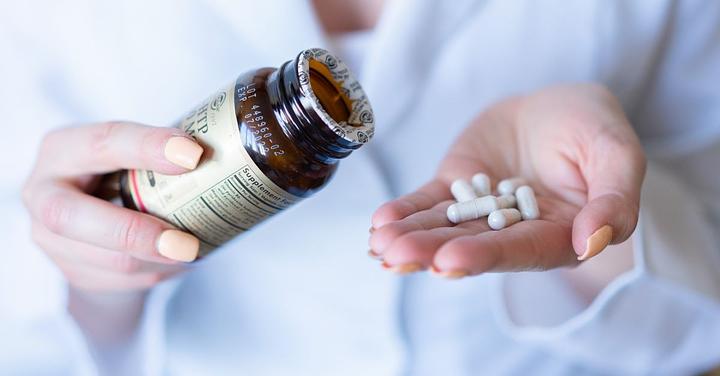
Nerve Health
B Vitamins and Nerve Symptoms: Avoid the More-Is-Better Trap
Deficiency can affect nerves, but excessive amounts of some vitamins can also cause problems.
Read guide
Nerve Health
Preparing for a Peripheral Nerve Evaluation
A symptom map, timeline and medicine list help a neurological examination focus on pattern and progression.
Read guide